
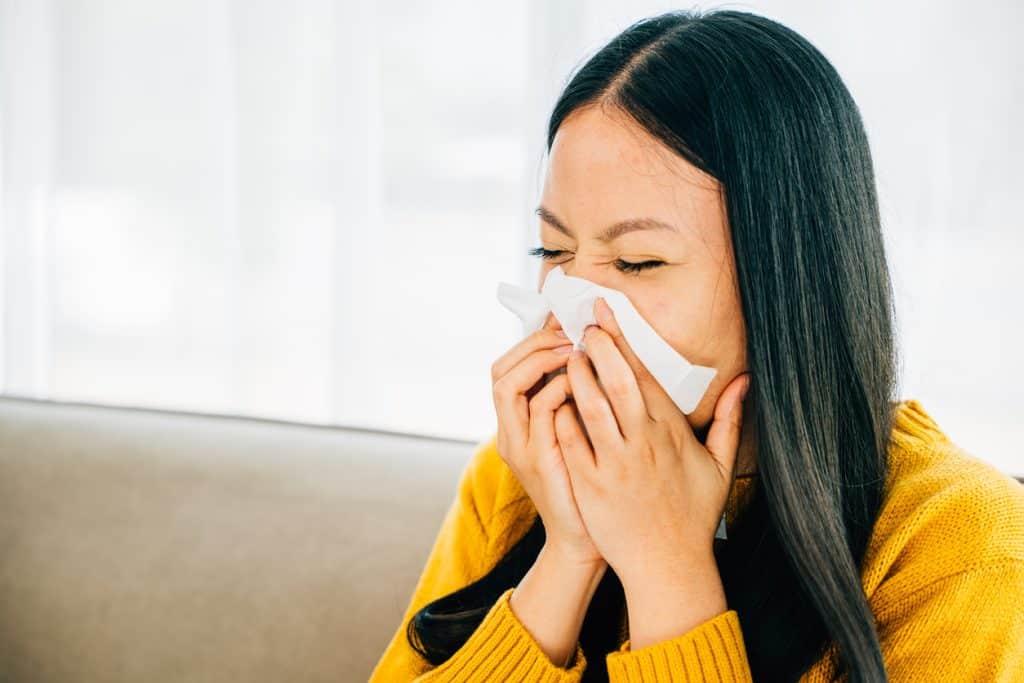
The air you breathe impacts your health and your well-being more than you may realize. If your home’s indoor air has high levels of dust, dust mites, pollen, and pet dander, you can experience allergies and breathing issues. There are other health concerns to think about as well.
Breathing and Lung Irritation
When you breathe in particulate matter, it can irritate your lungs and airways. You may experience frequent coughing or an increase in respiratory infections. If you have asthma, more frequent attacks and wheezing may occur. If you have high levels of volatile organic compounds (VOCs) in your air, you can experience a decrease in lung function over time.
Poor Sleep Quality
When you’re not feeling well, you may not be able to fall asleep soundly. You may also wake up frequently if you’re experiencing allergy symptoms or breathing problems. When you don’t sleep well, this can negatively impact you during the day. You may experience a decrease in productivity and have low moods. When you sleep, your body uses this time to recover and heal. Not getting enough quality sleep can lead to many health issues.
Cardiovascular Concerns
Pollutants and contaminants can impact the sinuses and the airway. However, they’re also capable of entering the bloodstream. When this happens, your body can experience an increase in inflammation. Over time, this will stress the heart, potentially raise your blood pressure, or cause heart rhythm issues. People who have an existing heart condition should be even more diligent about their indoor air quality.
Fatigue, Headaches, and Dizziness
It’s common to experience frequent tiredness, headaches, or vertigo if you’re exposing yourself to poor indoor air quality each day. High levels of contaminants, carbon monoxide, and VOCs can cause these symptoms. Lack of ventilation can reduce oxygen availability, which leads to brain fog and poor concentration. If you notice these symptoms regularly and you feel better when you’re away from home, consider professional IAQ support.
Complications for Young Children
Certain groups of people are more sensitive to poor indoor air quality than others. This includes young children, who breathe in more air per pound of body weight. They are then more vulnerable to asthma and developmental issues. Older adults with chronic health issues or cardiovascular problems should also be careful of exposure to contaminants.
Promote healthy and safe indoor air quality in your home. Contact our team here at Dipple Heating, Cooling, Plumbing, & Electrical in Greenville, SC to learn more about indoor air quality services and potential improvements.