
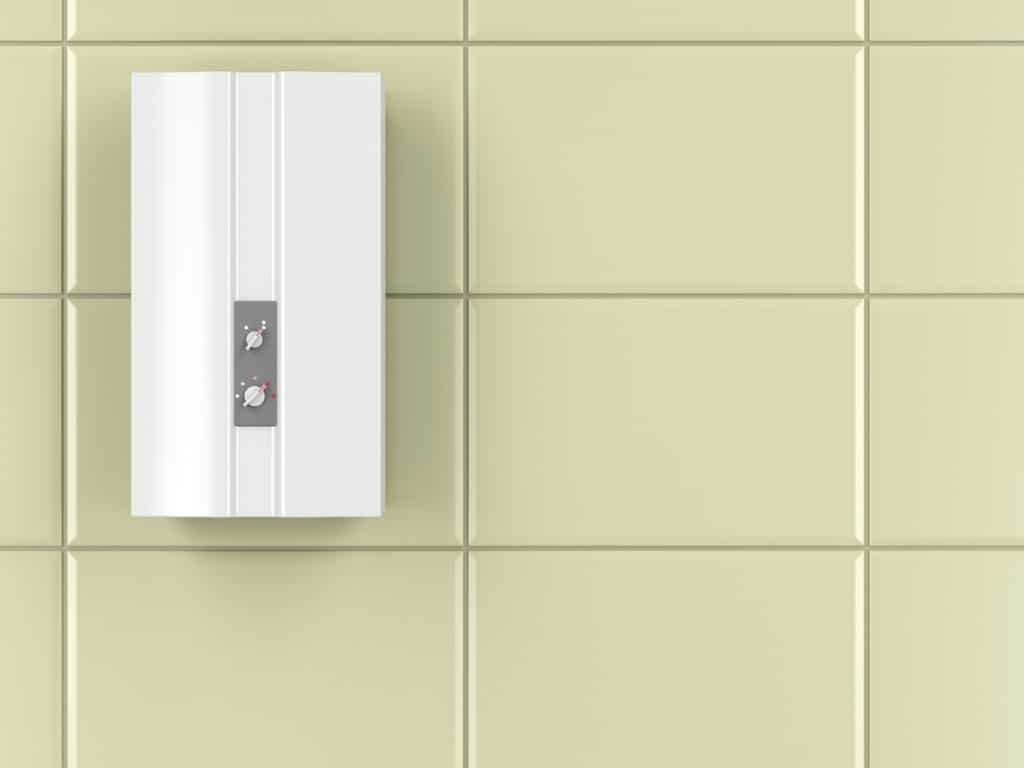
Water heaters have been essential appliances in homes across the country for decades. They’re the reason why you have hot running water whenever you need it, and it’s practically impossible to imagine life without one. While traditional water heaters have always relied on large tanks that store hot water until it’s ready for use, many modern water heaters do away with tanks entirely and instead heat water as it flows through a home’s plumbing.
Tankless water heaters have been around for decades, but they’ve become more popular in recent years. Before you can determine whether one is right for your home, you must consider the pros and cons.
The Pros of a Tankless Water Heater
Tankless water heaters are generally more energy-efficient than traditional models. However, the long-term cost savings depend on how often you use hot water and the cost of installation. Traditional water heaters heat and store several gallons of water at once, and while this water is ready for use at a moment’s notice, it can seem wasteful if you don’t need all of that water right away. Meanwhile, a tankless water heater heats water as it flows through your plumbing, instantly providing hot water only when you need it. This reduces energy waste and can help lower utility costs and improve overall efficiency.
You also won’t have to worry about running out of hot water, which is a common issue with traditional water heaters. If a water heater tank runs out of water, you’ll have to wait before taking a hot shower or washing your clothes. This isn’t an issue with tankless systems. Since you won’t have to worry about installing a large storage tank, a tankless water heater will take up much less space, making it ideal if you live in a smaller home.
The Cons of a Tankless Water Heater
The biggest drawback of installing a tankless water heater in your home is the cost. Tankless water heaters are significantly more expensive than traditional models, and it may be some time before the money you save on utility bills offsets the cost of the system itself. Tankless water heaters have flow rate limits. This means they may struggle to supply multiple high-demand fixtures at the same time, especially in larger households. Simply put, there isn’t a storage tank that can’t accommodate enough hot water for a hot shower, a dishwasher, and a load of laundry all at once. A tankless water heater system may only be able to handle one or two of those applications at any given time.
Finally, tankless water heaters can run on either gas or electricity. Regardless of the type, most systems will not operate during a power outage, which can leave you without hot water.
The right choice comes down to your household’s hot water demand, budget, and long-term goals. A tankless system can be a smart upgrade in the right situation. However, it’s critical to understand the benefits and the limitations before you make the switch. When you need tankless water heater services in Greenville, SC, contact Dipple Plumbing, Electrical, Heating & Air.