
Reliable Whole-Home Generator Solutions Backed by Decades of Expertise
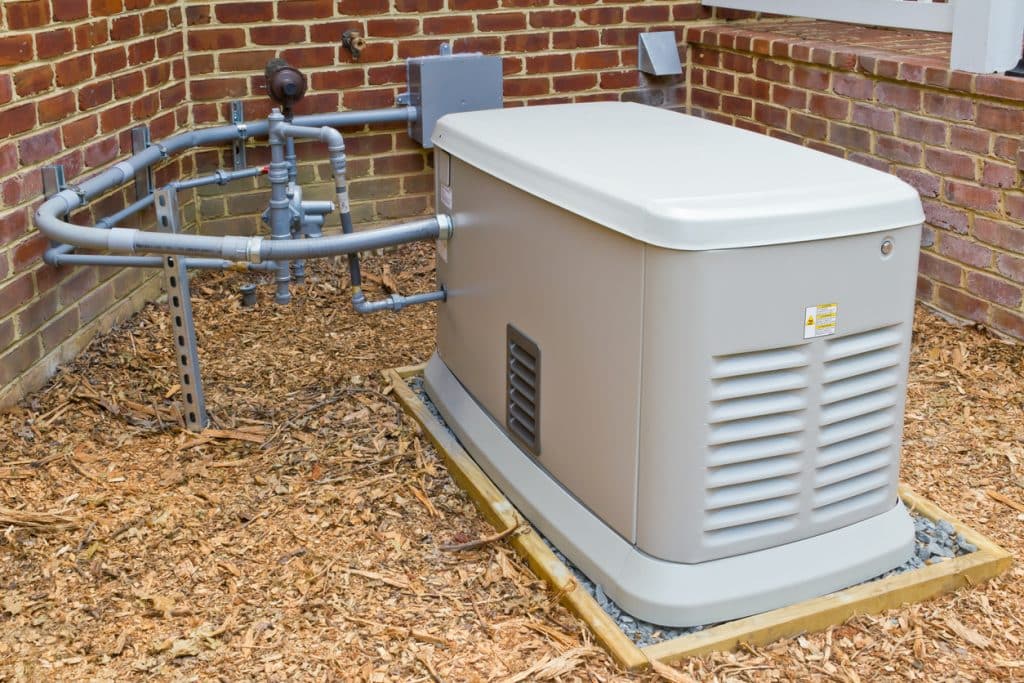
The team at Dipple brings over 45 years of electrical experience to every generator installation, repair, and maintenance task. Our NATE(North American Technical Excellence)-certified technicians are adept at assessing your specific power needs, recommending the most suitable unit, and delivering a dependable generator installation in Greenville, SC, that complies with all safety standards.
Moreover, our deep understanding of various generator brands and models allows us to quickly diagnose issues and perform repairs efficiently, minimizing downtime and preventing costly mistakes.
The Benefits of Having a Generator
South Carolina is no stranger to severe weather, including hurricanes and thunderstorms, which can lead to prolonged power outages. Having a generator as a backup power source can offer substantial benefits to homeowners and business owners.
Those benefits include:
- Increased home safety: Power outages can compromise your home’s security by disabling alarm systems, surveillance cameras, and outdoor lighting. A generator can keep these crucial safety features active during outages.
- Protection against financial loss: A power outage can result in significant financial losses for businesses due to interrupted operations, spoiled products, and lost data. A generator safeguards your business by maintaining power continuity.
- Enhanced comfort and convenience: Losing power can be uncomfortable, especially during extreme weather conditions. A generator maintains your comfort by keeping your heating or cooling systems running.
- Increased property value: Installing a generator might boost your property’s market value, making it more attractive to potential buyers.
- Preservation of perishable goods: Power outages can lead to food spoilage, resulting in wasted groceries and additional expenses. A generator keeps your refrigerator and freezer running, preserving your perishables and saving you money on replacing spoiled items.
The Signs Your Generator Needs Repair
You want your generator to work when you need it the most. Give us a call if you spot warning signs like these:
- Difficulty starting up: If your generator struggles to start or requires multiple attempts to get going, it could indicate underlying mechanical or electrical issues. This symptom often points to problems with the battery, fuel system, or spark plugs.
- Unusual noises: Generators are designed to operate smoothly and quietly, so any unusual noises, such as knocking, banging, or grinding, should not be ignored. These sounds can signal internal damage or worn-out components.
- Inconsistent power output: Fluctuations, such as surges or drops, indicate your generator is malfunctioning. Inconsistent power delivery can harm sensitive electronics and appliances.
- Visible physical damage: Any visible signs of damage, such as cracks, frayed wires, or leaking fluids, are clear indicators that your generator needs repair. Physical damage can compromise the generator’s safety and efficiency.
- Excessive exhaust smoke: While some exhaust smoke is normal, excessive or colored smoke (black, blue, or white) signals trouble. This symptom can indicate issues with the fuel mixture, oil levels, or internal engine components.
- Persistent alerts or error codes: Modern generators come equipped with diagnostic systems that display error codes or alerts when something is wrong. Persistent warnings on the control panel should be taken seriously.
- Reduced efficiency: If you notice that your generator is consuming more fuel than usual for the same amount of power output, it may be running inefficiently. Worn-out parts or clogged filters can cause reduced efficiency.
Generator Maintenance Tips
There are no guarantees with any mechanical system, but taking constructive DIY steps like these can help reduce repair needs and help your generator last longer:
- Regularly check the oil levels: Running a generator with low or dirty oil can increase wear and tear on engine components, significantly shortening their lifespan and efficiency.
- Inspect the fuel system: Periodically inspect the fuel system for leaks, blockages, and proper fuel quality. Using clean, fresh fuel and ensuring that fuel lines and filters are in good condition can help prevent starting issues and maintain consistent power output.
- Test run your generator: Conduct regular test runs, especially before storm seasons or anticipated power outages. Running your generator for about 20-30 minutes every month helps keep the engine parts lubricated.
- Clean the air filters: A clogged air filter can reduce performance and efficiency, making it harder for the generator to produce the necessary power, potentially leading to engine damage.
- Check the battery condition: Inspect the battery terminals and cables for corrosion, and make sure the battery is charged and in good condition.
- Keep it clean: Regularly clean the exterior of your generator and keep the surrounding area free of debris. Dirt and debris can obstruct air flow and cooling, leading to overheating and reduced efficiency.
- Run under load: Occasionally run your generator under load to be sure it can handle your home or business’s power demands. This practice helps verify the generator’s performance capabilities and identify any weaknesses or issues in the system.
- Schedule professional inspections: Having your generator periodically inspected and serviced by our team allows us to identify and address potential issues in their early stages.
We Offer Financing
The decision to install a generator can be a stressful one. The need for emergency electrical repair work can be even more anxiety-inducing. To help alleviate budgetary concerns, Dipple makes financing available through our office. We want to help you protect the long-term interests of your property without compromising your short-term balance sheet.